



- Your cart is empty Browse Shop
What Is SEO and How Does It Work? (2026 Beginner’s Guide)

You have probably heard the word a hundred times: in meetings, in blog posts, from a friend who runs an online shop. But the moment someone actually asks what is SEO and how it works, most explanations either oversimplify it into a single sentence or bury you in jargon before you understand the basics.
At LocalPro1, we talk to business owners every week who are stuck in exactly that gap. This guide fixes that, in plain language, with real examples instead of theory.
What Is SEO? A Simple Definition

SEO stands for Search Engine Optimization. In plain terms, it is the process of shaping a website so that search engines like Google can understand what it offers, and so the right people can find it when they search. That answers what SEO stands for in the simplest way possible: it is optimization work aimed at both machines and humans, done in that order of priority for the machine’s understanding, but never at the expense of the human reading it.
Think of a public library with no card catalog and no librarian. Every book is real and useful, but nobody can find anything without already knowing which shelf to check. SEO is the work of labeling those shelves, writing clear summaries on each cover, and placing the most helpful books where readers can actually reach them.
SEO vs. SEM: Paid vs. Organic Search Explained
SEM, or Search Engine Marketing, includes the paid ads at the top of results, marked with an “Ad” label. You pay per click, and the moment your budget runs out, that traffic stops. SEO targets the organic listings below the ads. There is no per-click fee, but it takes longer to build. Both aim at the same searcher, through very different mechanics and cost structures.
SEO vs. Content Marketing: How They Overlap
Content marketing is the practice of publishing material that educates or entertains an audience. SEO is the discipline that makes sure search engines can find, understand, and rank that content. You can have great content with no SEO and get almost no traffic, or solid SEO applied to thin content that never earns trust—the two work best as a single strategy, not two separate departments.
Understanding Search Intent (The Concept Behind Every Ranking)
Before any tactic matters, you need to understand why a page ranks at all: it matches what the searcher actually wants. This is search intent, and it decides more of your ranking outcome than any single technical fix.
The 4 Types of Search Intent
Searches generally fall into four buckets: informational (someone wants to learn something), navigational (they want a specific site or brand), commercial (they are comparing options before buying), and transactional (they are ready to act now). A page built for the wrong intent rarely ranks well, no matter how polished it looks.
Why Matching Intent Matters More Than Keyword Density
A page stuffed with a keyword but written for the wrong intent will lose to a shorter, plainer page that actually answers the question. Google’s own quality guidance rewards pages that satisfy the searcher’s real goal, not pages that repeat a phrase the most times.
The Three Pillars of SEO
Every SEO effort falls into one of three categories, and understanding this framework makes the rest of this guide much easier to apply.
On-Page SEO
Everything you control directly on a page: title tags, headings, body content, internal links, and image alt text. If a page answers a searcher’s question clearly and is structured logically, on-page SEO is doing its job.
Off-Page SEO
Everything outside your own site that still affects how search engines view it, most notably backlinks from other credible sources. Think of it as other sites vouching for your content.
Technical SEO
The plumbing behind the scenes: site speed, mobile responsiveness, secure connections, clean URL structures, and crawlability. A site can have brilliant writing and still underperform if the technical foundation is broken.
How Do Search Engines Actually Work?
To fully answer how search engine optimization works, you need to understand the three stages every search engine follows behind every result you see.
Step 1: Crawling
Automated programs, often called bots, travel across the web by following links from page to page, mapping new and updated content as they go.
Step 2: Indexing
Once a page is found, the search engine analyzes its words, images, structure, and internal links, then stores that information in a massive database called an index. Being crawled does not guarantee being indexed; thin or confusing pages often get skipped here.
Step 3: Ranking and Serving
When someone searches, the engine scans its index and orders the best matches by relevance, quality, and trust. This happens in a fraction of a second, but it reflects hundreds of signals working together.
A Real-World Example (Local Search Walkthrough)
Picture a small bakery in a mid-sized city. When someone searches “best sourdough bread near me,” the search engine already crawled and indexed that bakery’s site weeks earlier. At the moment of the search, it ranks the page based on relevance, load speed, reviews, and how well the page answers what a hungry local shopper actually wants. That full sequence, from crawling to the final ranking decision, is what is SEO and how it works in practice.
On-Page SEO: A Practical Walkthrough
Knowing that on-page SEO matters is not the same as knowing how to do it. Here is what it actually looks like on a live page.
Title Tags and Meta Descriptions
Your title tag is the clickable headline in search results, and your meta description is the summary beneath it. Both should describe the page honestly and include the main topic near the front, written for a human first.
Header Structure and Readability
A single H1, followed by logically nested H2 and H3 headings, helps both readers and search engines scan a page and understand its structure. Short paragraphs and plain sentences reduce bounce rates far more than clever phrasing does.
Internal Linking
Linking related pages together helps visitors find more of what they need and helps search engines understand which pages on your site matter most. A site with no internal links is a set of isolated islands.
Structured Data and Schema Markup
Structured data is a standardized code format added to a page so search engines can understand specific details, like a business address, a review rating, or a recipe’s cook time, without guessing. It does not guarantee better rankings, but it can unlock richer listings in results.
Off-Page SEO and Link Building Basics
What Makes a Backlink Valuable
Not all backlinks are equal. A link from a relevant, trustworthy source in your industry carries far more weight than dozens of links from unrelated, low-quality sites.
Beginner-Friendly Link Building Methods
Practical starting points include getting listed in reputable local or industry directories, contributing genuinely useful guest content to relevant publications, earning links through original data or case studies worth citing, and building relationships with other businesses that serve the same customers you do. Buying links or joining link exchange schemes violates search engine guidelines and puts a site at real risk.
Technical SEO Fundamentals
Understanding SEO in website development starts here. Developers who build with clean code, fast load times, and logical site architecture are already handling a large share of technical SEO before a single blog post is written.
Site Speed and Core Web Vitals
Core Web Vitals measure how quickly a page loads, how soon it becomes interactive, and how stable the layout stays while loading. Slow, jumpy pages frustrate visitors and are one of the more common reasons a technically sound business site underperforms.
Mobile-First Indexing
Search engines primarily evaluate the mobile version of a site for ranking purposes. A site that looks great on a desktop screen but breaks on a phone is being judged by the broken version.
Crawlability and Site Architecture
A logical folder structure, a clean sitemap, and working internal links make it easy for crawlers to find every important page. Orphaned pages with no internal links pointing to them are often never indexed at all, no matter how good the content is.
Content Strategy: What to Write About
Topic Clusters and Pillar Pages
Rather than publishing scattered, unrelated posts, group content around core topics: one broad pillar page supported by several narrower pages that link back to it. This structure signals topical depth to search engines and gives readers a clear path to related answers.
Content Depth vs. Content Volume
Publishing ten thin pages rarely outperforms publishing two pages that fully answer a topic. Depth, accuracy, and a genuine point of view outperform volume almost every time.
Why Does SEO Matter for a Business?
At LocalPro1, this is the question we hear most often once we have walked a client through how search engine optimization works in theory: does any of this actually move revenue?
The Long-Term Value of Organic Traffic
Paid ads stop the moment you stop paying. Organic rankings, once earned, keep sending visitors without an ongoing cost per click, so a page that ranks well for a year keeps generating leads from a single round of effort.
Trust and Credibility Signals
Most searchers instinctively trust organic results more than ads, because ranking well signals a page earned its place instead of paying for it. That trust translates directly into higher click-through rates and stronger conversion once someone lands on the page.
A Real Client Scenario
We worked with a regional home services business that had almost no organic visibility for its core service terms. Over several months of fixing technical issues, rewriting thin service pages, and earning a handful of genuinely relevant backlinks, their organic traffic and phone inquiries from search both grew significantly. Results like that come from consistent fundamentals, not shortcuts.
Key Ranking Factors Google Considers in 2026
Google’s ranking systems have shifted heavily toward evaluating who is actually behind the content, not just what the content says.
E-E-A-T Explained
E-E-A-T stands for Experience, Expertise, Authoritativeness, and Trustworthiness. Google’s Search Quality Evaluator Guidelines direct raters to look for signs that content was written by someone with real, firsthand knowledge of the subject, backed by demonstrated competence, recognized by others in the field, and presented accurately.
Content Quality and Intent Match
A page needs to fully answer what the searcher wants, not just mention the right words. Keyword density stopped being a meaningful signal years ago.
Page Experience and Core Web Vitals
Load speed, mobile usability, and layout stability continue to influence rankings because a slow or broken page frustrates users no matter how good the writing is underneath it.
How Google’s Spam Policies Changed the Rules
Google’s spam policies, refined through its 2026 core updates and the August 2026 spam update, made several shortcuts far riskier than they used to be.
Scaled Content Abuse
This covers mass-producing pages, whether by AI or by hand, with no real value added beyond what already exists elsewhere. The fix is straightforward: every page needs original insight, not a rearranged version of publicly available information.
Site Reputation Abuse
Also known as parasite SEO, this happens when a trusted domain hosts unrelated, low-quality third-party content to borrow its authority. Search engines now actively work to identify and demote this pattern.
Expired Domain Abuse
Repurposing an old, previously reputable domain to host unrelated low-value content is treated as manipulation, not a legitimate growth tactic.
What This Means for AI-Assisted Content
AI-generated content is not automatically penalized. What gets penalized is content published at scale with no human review, no original example, and no real value beyond what a dozen other pages already say. The creation method matters far less than the originality and accuracy of the result.
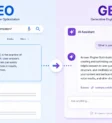
Traditional SEO vs. AI Search Optimization: What’s Different in 2026
How AI Overviews and Chat-Based Search Select Sources
AI-generated answers and chat-based search tools tend to pull from pages that state facts clearly near the top, define terms directly, and are structured in a way that is easy to extract and summarize. Vague, meandering intros are far less likely to get cited.
A Side-by-Side Comparison
| Factor | Traditional SEO | AI Search Optimization |
| Primary goal | Rank in the top organic results | Get cited or summarized in an AI-generated answer |
| Content structure | Headings and keyword relevance | Clear, direct answers near the top of each section |
| Trust signal | Backlinks and domain authority | Accuracy, clarity, and demonstrated expertise |
| Success metric | Clicks and rankings | Citations, mentions, and referral visibility |
Do You Need Both Strategies?
Yes. Ranking well still matters, and pages that rank well are also more likely to be pulled into AI-generated answers. Rather than two separate strategies, treat this as one strategy written with more clarity and more direct answers than before.
Who Can Affect Your SEO?
SEO is rarely one person’s job. Content writers shape how well a page answers intent. Developers determine speed and crawlability. Designers influence navigation and conversion. Even customer service teams affect SEO indirectly, since reviews and reputation feed into trust signals. Treating SEO as a single department’s task is one of the fastest ways to stall progress.
How to Get Started With SEO: A 30-60-90 Day Roadmap
Days 1 to 30: Audit and Foundations
Audit existing pages for broken links, slow load times, and missing title tags. Confirm the site is indexed properly and mobile-friendly before touching content.
Days 31 to 60: Content and On-Page Fixes
Identify three to five core topics your business genuinely has expertise in, then rewrite or create one in-depth page per topic with clear headings, internal links, and descriptive alt text.
Days 61 to 90: Authority Building and Measurement
Begin earning a small number of genuinely relevant backlinks, then start tracking rankings, traffic, and conversions monthly to see what is actually working before scaling further.
Keyword Research Basics
Finding Keyword Opportunities
Look for phrases where searcher intent is clear but existing results are thin, outdated, or poorly structured. These gaps are often where smaller sites can compete against larger, more established ones.
Search Volume vs. Competition vs. Intent
A high-volume term with intense competition can take years to rank for. A lower-volume, clearer-intent term can bring in qualified traffic within months. Choosing the second type first is usually the smarter path for a newer site.
Local SEO Basics for Small Businesses
Local SEO focuses on ranking for searches tied to a specific area, such as “near me” queries. It relies on a complete, accurate business profile, consistent name and address details across the web, genuine customer reviews, and location-specific service pages. If you are a business in New York looking for hands-on help closing these local visibility gaps, our SEO Services in New York team works directly with local businesses on exactly this.
Common SEO Mistakes to Avoid
Keyword stuffing, unnaturally repeating a phrase until it reads awkwardly, no longer helps rankings and can actively hurt them. Thin or duplicate content that adds nothing new tends to get filtered out of the index entirely. Bought backlinks and link exchange networks violate search engine guidelines. Cloaking, showing search engines a different version of a page than what users see, is treated as a serious violation.
SEO Myths vs. Reality
| Myth | Reality |
| More keywords always rank better | Relevance and clarity outrank repetition |
| SEO is a one-time project | It is an ongoing process as algorithms evolve |
| AI content is always penalized | Only low-value, unreviewed content at scale is penalized |
| Backlinks matter more than content | Both matter, but weak content wastes strong links |
Free and Paid SEO Tools Worth Knowing
A free webmaster console from your search engine can show indexing status and search performance at no cost. A dedicated analytics platform tracks visitor behavior once they land on your site. Keyword research tools estimate search volume and competition. Backlink checking tools show who is linking to your site and your competitors’ sites. Paid, all-in-one platforms combine several of these functions for teams managing SEO at scale.
What Metrics Should You Track for SEO Success?
Four numbers matter most when judging whether your seo in website development efforts are working: organic traffic, keyword rankings, click-through rate, and conversions. Traffic alone means little if it never turns into inquiries or sales.
How Long Does SEO Take? Setting Realistic Expectations
Most sites start noticing measurable movement within three to six months, though competitive industries can take longer. Understanding how SEO marketing works in the real world means accepting that consistency matters more than speed, since search engines need time to recrawl and reassess a site after changes.
Final Thought
SEO is not a trick or a shortcut. It is the ongoing work of making a website genuinely easier to find, understand, and trust, for both search engines and the people using them. Whether you are just starting to explore what SEO is and how it works, or you are ready to fix long-standing technical issues, the fundamentals in this guide will carry you further than any quick fix ever could. If you would like hands-on help applying any of this to your own website, contact us at LocalPro1, and our team will walk you through exactly where your site stands today and what to prioritize next.
Frequently Asked Questions
What does SEO stand for exactly?
SEO stands for Search Engine Optimization, the practice of improving a website so search engines can understand and rank it, and so real users can find and trust it.
How long does it take to see SEO results?
Most websites start noticing measurable movement within three to six months, though timelines vary by industry and competition. Consistency matters more than speed, since search engines need time to reassess a site after changes are made.
Can I do SEO myself, or do I need an expert?
Small, straightforward sites can start with self-taught SEO basics using free tools. Larger or more competitive sites usually benefit from expert guidance to avoid costly technical mistakes.
Does SEO marketing work the same way for every industry?
The core mechanics of how SEO marketing works stay consistent, but competitive intensity, expected content depth, and ranking timelines vary significantly between industries like local services and national ecommerce.
Is AI Overview visibility part of SEO now?
Yes. Pages that are clearly structured, factually accurate, and demonstrate real expertise are more likely to be cited in AI-generated answers, which makes traditional SEO fundamentals more relevant, not less.
