


- Your cart is empty Browse Shop
What Is Link Building in SEO? A Complete 2026 Guide
Two plumbers in the same city can have almost identical websites, yet one wins every emergency search. The gap rarely comes down to design. It comes down to who vouches for them online, and that is the heart of the question: what is link building in SEO?
At LocalPro1, we think about links the way customers think about reviews: a few honest ones from people who matter beat a pile of empty ones. This link building guide explains how links work, which ones deserve your time, and how to stay safe as search engines keep tightening their spam rules.
What Is Link Building? (Definition and How It Works)
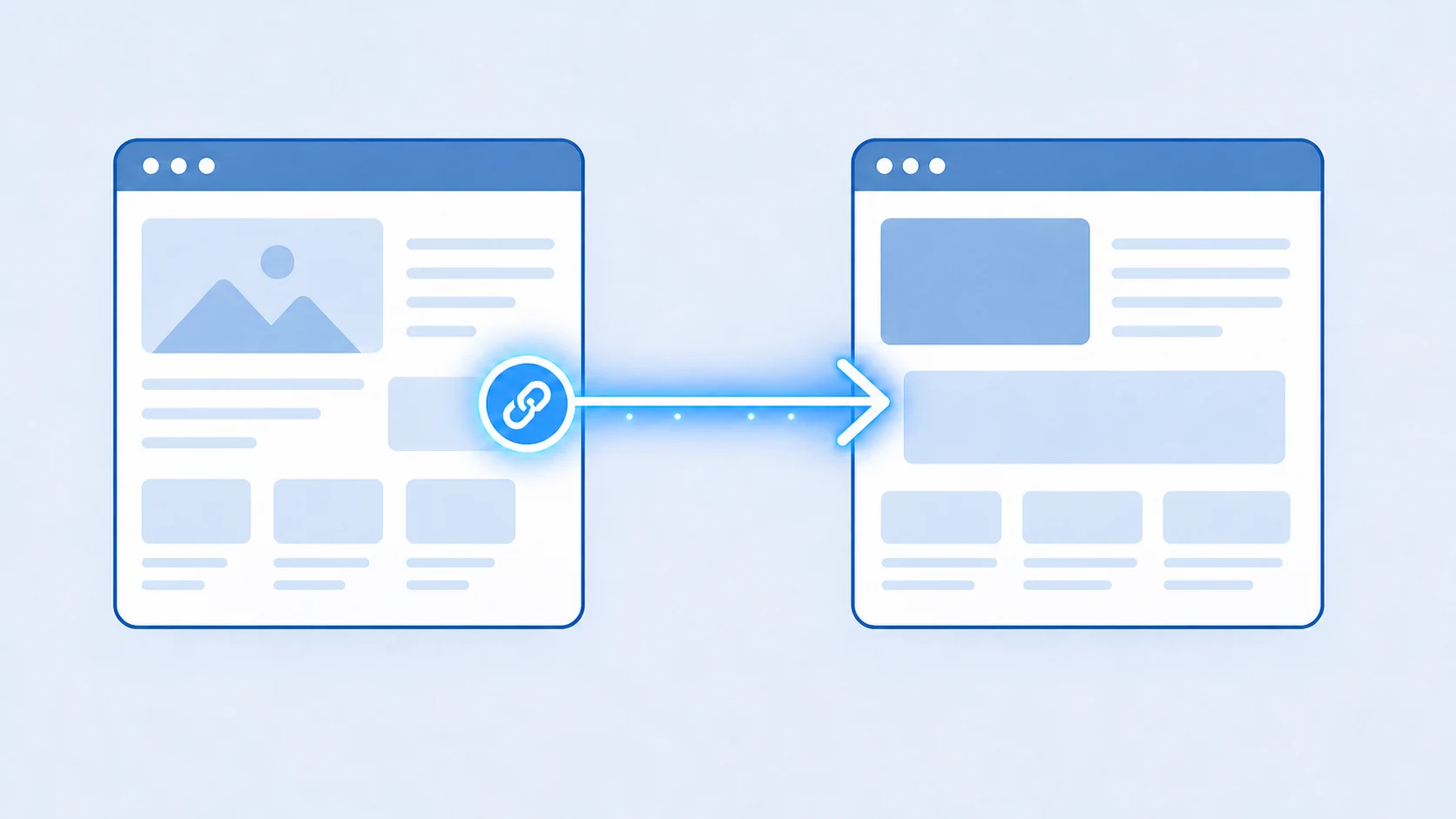
Link building is the practice of earning hyperlinks from other websites to your pages. Search engines use those links in two ways. Crawlers follow them to discover pages, and ranking systems weigh their quality and relevance when comparing pages on the same topic.
In everyday terms, what is link building in SEO? It is reputation work done on other people’s websites. A link inside a local news story about your business is a human decision. A link dropped on a random directory is an obvious attempt. Search engines are built to tell the difference.
Why Link Building Still Matters for SEO and AI Search in 2026
Backlinks as a Confirmed Ranking and Trust Signal
Search engines have long used links to find pages and judge quality, and nothing in 2026 changed that. Links act as a third-party check on trust, but they cannot rescue a thin page. When two pages are equally good, the one with relevant, earned links usually has the edge.
The AI Search Shift: Citations, Mentions, and brand Visibility
AI-generated answers tend to quote sources that appear consistently across trusted publications, with or without a clickable link. A supplier named in three regional trade blogs is easier to recognize than one with a single directory listing. So unlinked mentions and expert quotes belong in the same plan as backlinks. Spam rules now extend to AI answers too, so faking mentions carries the same risk as faking links.
Types of Backlinks You Should Know
The main types of link building differ in two ways: how a link is labeled and how it was earned.
Dofollow, Nofollow, Sponsored, and UGC Links
A link with no restriction passes normal value. Nofollow asks search engines not to count the link as an endorsement. Sponsored marks paid placements, and UGC marks links added by users in forums or reviews. Nofollow links still send visitors, so a nofollow mention in a respected local publication can beat a followed link on a weak site.
Editorial, Manual, and Self-Created Links
Editorial links come from writers who chose to reference you. Manual links come from outreach, such as a guest article or a partner page. Self-created links, like profiles and directory listings, carry the least weight. A healthy profile leans on the first two and keeps the third small. Balancing these types of link building matters more than mastering any single one.
What Makes a Good Backlink? (Quality Checklist)
Run every prospect through five questions. Is the page relevant to your topic? Did the site link without payment? Would a real reader click it? Do the placement and anchor look natural? Does the host site publish original work and avoid selling links?
Score each answer 0, 1, or 2. Eight or more is worth chasing, five to seven only if it is cheap to get, and anything lower is a pass. This is a working method, not an official metric.
Check the details as well. A link to a page that redirects or blocks indexing passes little value, and a link on an article that gets deleted later disappears with it.
Common Link Building Myths in 2026, Debunked
- More links mean better rankings relevance and quality beat raw count.
- No-follow links are useless. They still bring visitors and recognition.
- Guest posting is dead. Bulk guest posting is. Editorial pieces for publications your customers read still work.
- You can clean up later. Once a manipulative link is discounted, its value is gone.
- Every weak link needs disavowing. Search engines ignore most of them. Disavow only clear manipulation you cannot get removed.
White Hat vs. Black Hat Link Building Under Google’s 2026 Spam Policies
Google has released four spam updates in 2026, in March, June, August, and September. For the June and August rounds, Google said the updates did not target link spam or site reputation abuse. The September update began on September 24 with a rollout window of up to two weeks and did not name a focus. None of this makes manipulation safe. Link spam is handled by separate systems, and once a manipulative link is discounted, the value it passed does not return.
White hat means earned, relevant, disclosed links. Black hat means private blog networks, undisclosed paid links, large link swaps, comment spam, expired domain tricks, and mass-produced content built only to attract links. Read Google’s spam policies before any campaign.
Proven Link Building Strategies That Still Work
A sound SEO link building strategy pairs link attraction (making something worth citing) with outreach (showing it to the right people). These link building tips hold up in 2026:
- Publish something quotable. A roofing contractor could turn a storm damage checklist into a clean page, then offer it to local homeowner associations.
- Pitch writers who already cite data. Keep the email under 150 words and name the exact section where your resource fits.
- Reclaim unlinked mentions. The site already decided you were worth mentioning, so ask for the link.
- Replace dead links. Find broken pages that others still link to and offer your relevant replacement.
- Join resource pages. Many trade bodies maintain curated lists.
- Share expert comments. Roundups build co-citation, where your name appears beside respected names in your field.
Local Link Building: The Strategy Most Guides Skip
LocalPro1 advises local businesses to start with relationships they already have: suppliers, partners, neighbors, and customers. Local sources include chambers of commerce, trade associations, school and community sponsorships, local news, event organizers, and neighborhood blogs. A dental clinic that sponsors a school fundraiser and is credited on the school’s site earns a relevant, geographically anchored link that a national guest post cannot match. These signals also support your visibility in map results.
Keep it honest. Sponsorships should be real and disclosed where required. Google added a guideline in July 2026 against fake and undisclosed incentivized reviews, so never trade discounts for reviews without clear disclosure.
Is Your Site Ready for Link Building? A Quick Readiness Checklist
- Is the target page complete and useful, not a placeholder?
- Is it fast, mobile-friendly, and indexable?
- Do internal links already point to it?
- Is there a clear reason someone would cite it?
- Does it show real expertise, such as named authors and first-hand detail?
If any answer is no, fix the page first.
How to Build a Link Building Strategy, Step by Step
- Audit your current backlink profile and flag anything suspicious.
- Pick one target page per campaign. One of the most useful link-building tips is to avoid pointing everything at the homepage.
- Build or improve an asset worth citing.
- List prospects by studying who links to comparable businesses and which publications AI answers cite on your topic.
- Send personal, short outreach and follow up once.
- Track results quarterly. Ask for removal of harmful links before considering a disavow.
How Long Does Link Building Take to Show Results?
Anyone asking what is link building in SEO soon asks how long it takes. Expect weeks before a new link is discovered and months before the ranking effect is clear, depending on your site’s authority and how competitive the keyword is. Treat it as an ongoing effort, and doubt anyone promising fast, guaranteed jumps.
How Much Does Link Building Cost in 2026?
Costs vary widely, and the pricing model says as much as the price. DIY costs mostly time. Agencies usually charge monthly retainers, project fees, or per placement. Earned links cannot be mass-produced cheaply, so a flat low price for a fixed number of links usually signals risky placements. Before paying anyone to run an SEO link building strategy, ask for past examples, how prospects are chosen, and whether you will see exactly where each link appears.
DIY Link Building vs. Hiring an Agency
DIY suits owners with time, writing skill, and patience for one-to-one outreach. You keep control, but progress is slow. An agency makes sense when you need steady volume, media relationships, and someone who already knows which prospects matter in your industry. If you want hands-on help, explore our Link Building Services in New York. The choice usually comes down to your time versus your budget.
Link Building Tools You Can Use
You do not need many subscriptions. Most teams need four things: a backlink analysis tool, a prospecting tool for contacts, a simple spreadsheet or CRM for follow-ups, and the free Search Console from the search engine to watch links, manual actions, and performance. Pick one of each.
Final Thoughts
So, what is link building in SEO at its core? Earning trust from relevant sources, one honest link at a time. Treat every link as something you would be happy to explain to a reader or a search reviewer, and use this link building guide as a filter whenever a shortcut looks tempting. If you want help building a plan around your market, LocalPro1 is ready to help. Contact us to review where your backlink profile stands today.
FAQs
What does link building mean in simple terms?
It means earning links from other websites to your pages so search engines can find your content and judge how trusted it is. The strongest links come from relevant sites that choose to mention you. It works best alongside useful content and a technically sound website.
Are nofollow links worth getting?
Yes. They do not pass ranking credit in the usual way, but they send real visitors and help people, and AI systems recognize your brand. A nofollow mention in a respected publication can be worth more than a followed link on a weak site.
Can bad backlinks hurt my rankings?
Most low-quality links are ignored by search engines. The real danger comes from patterns of manipulation, such as undisclosed paid links, link networks, and mass exchanges, which can lead to links being discounted or a manual action.
How many backlinks does a page need to rank?
There is no fixed number. Look at the pages already ranking for your target query and compare the relevance and quality of their links, not just the count. Often a few strong links plus a better page is enough to compete.
Is link building worth it for a local business?
Yes, especially when links come from local sources such as chambers, sponsors, suppliers, and neighborhood publications. They support both rankings and local trust. Start with the relationships you already have before paying for anything.
